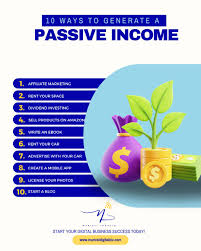
A paid community offers a way to generate passive income. It focuses on providing value to a specific group. Members pay a fee for exclusive content, connections, or resources. Building one requires understanding your audience and consistently delivering value to ensure ongoing engagement and revenue.
What is a Paid Community for Passive Income?
A paid community is essentially a membership-based online group. People join because they want something special. This could be access to an expert, like yourself. Or maybe they want to connect with others who share their interests. They pay a fee, often monthly or yearly, to be a part of it.
Think of it like a private club. But instead of a physical building, it’s online. This club offers benefits that you can’t easily find elsewhere. The goal for you, as the creator, is to build a space where members feel they get more than they pay for. This leads to them staying longer and even recommending it to others.
This model works well for passive income because once the core structure is set up, it can generate revenue with less day-to-day work. Of course, it’s not entirely hands-off. You still need to manage it. But the income stream can become quite stable and grow over time. It leverages your knowledge and passion into a system that rewards you.
Why a Paid Community is a High-Yield Idea
Why is this specific idea considered “high-yield”? It’s about the potential return on your effort. When done right, a paid community can bring in more money than other passive income streams. This is for a few key reasons.
First, there’s the recurring revenue. Members pay a subscription fee. This means you get predictable income each month. If you have 100 members paying $20 a month, that’s $2,000 a month. It adds up quickly.
Second, it’s scalable. You can start with a small group. As your community grows, your income grows too. There isn’t a hard limit to how many people can join. Unlike selling physical products, you don’t have to worry about inventory.
Third, it builds loyalty. When people feel connected and valued, they stick around. This reduces your need to constantly find new customers. Loyal members often become your biggest supporters. They might even help spread the word.
Finally, you can offer different tiers of membership. Some members might pay more for extra perks. This increases the average income per member. It’s a flexible model that can adapt to your audience’s needs and your own goals.
My Own Journey into Building Online Spaces
I remember when I first thought about creating an online community. It felt overwhelming. I had a lot of ideas, but putting them into a system that people would actually pay for seemed tricky. I’d tried selling online courses before. They were great, but they felt a bit lonely for the people buying them. They would often have questions I couldn’t answer easily in a pre-recorded video.
One evening, I was working late. The internet was humming. My cat was asleep on my desk. I was staring at a spreadsheet, trying to figure out how to make more consistent income from my blog. I thought about how many people asked me the same questions over and over. They were looking for advice on setting up their home office. They wanted tips on staying productive. I realized I was giving away a lot of my best insights for free.
That’s when the idea of a paid community started to form. What if I created a special space? A place where people could get direct answers from me. A place where they could chat with others facing the same challenges. A place that felt more alive than just a static course.
The first few members were friends. They gave me honest feedback. It was a little nerve-wracking. But their insights were gold. They told me what they loved and what they found confusing. They helped me shape the community into something truly valuable. It wasn’t easy at first. There were days I wondered if it would ever take off. But slowly, word spread. People started joining because they heard about the helpful discussions and the expert advice. Seeing that initial spark of success made all the effort feel worth it.
Building Blocks of a Successful Paid Community
1. Define Your Niche: What specific problem do you solve? Who are you helping?
2. Choose Your Platform: Where will your community live? (e.g., Mighty Networks, Circle, Discord)
3. Create Value: What will members get? (e.g., Q&A, exclusive content, networking)
4. Set Your Price: How much will members pay? Consider value and competitor pricing.
5. Promote Your Community: Tell people it exists! Use your existing audience.
Choosing Your Community’s Focus (The Niche)
The most important first step is deciding what your community will be about. This is your niche. Trying to serve everyone is a common mistake. It’s like trying to sell ice cream to people in Alaska in winter. It just won’t work well. You need to find a specific group of people with a shared interest or problem.
Think about what you know well. What do people ask you for advice about? What are you passionate about? Your community should align with your expertise and interests. This makes it easier for you to create content and engage with members. It also means you’ll genuinely enjoy running it.
For example, if you’re great at sourdough baking, your niche could be “Sourdough Enthusiasts.” If you’re a skilled gardener, it could be “Urban Gardeners Club.” If you help small businesses with marketing, it could be “Small Business Marketing Masters.”
The more specific your niche, the easier it is to attract the right members. They will feel like the community was made just for them. This makes them more likely to join and stay.
Niche Idea Brainstorm: Questions to Ask Yourself
What are you an expert in? What skills or knowledge do you have?
What problems do you solve for others? What do people come to you for help with?
What are your passions? What topics do you love talking about?
Who do you enjoy helping? What kind of people do you connect with best?
What are people searching for online? Use tools to see popular topics.
Selecting the Right Platform for Your Community
Once you know your niche, you need a place for your community to live. There are many platforms available. Each has its own pros and cons. The best one for you depends on your needs and budget.
Some popular options include:
Mighty Networks: This is an all-in-one platform. It lets you create courses, host content, and build your community. It’s very feature-rich.
Circle.so: Circle is designed specifically for communities. It offers a clean interface and good organization tools. It integrates well with other tools.
Discord: If your audience is younger or tech-savvy, Discord can be a great choice. It’s popular for gaming communities but works for many niches. It has different channels for topics.
Facebook Groups (Paid): You can create private Facebook groups. You can then use tools like Buy Me a Coffee or Patreon to manage payments. It’s easy to set up but can be noisy.
Slack: Similar to Discord, Slack is great for real-time chat. It’s often used by businesses but can work for communities too.
When choosing, think about:
Ease of Use: Is it simple for you and your members?
Features: Does it have what you need (video, events, forums)?
Cost: What is the monthly fee? Are there transaction fees?
Customization: Can you make it look and feel like your brand?
I started with a simple private forum on my website. It was okay, but it lacked engagement features. Then I moved to a dedicated platform. The change was huge. Members found it easier to connect. I could share resources more effectively. It felt more professional.
Platform Quick Scan
| Platform | Best For | Key Features | Cost |
|---|---|---|---|
| Mighty Networks | All-in-one (courses, community) | Events, courses, direct messaging | Starts at $39/month |
| Circle.so | Dedicated community building | Spaces, events, member profiles | Starts at $49/month |
| Discord | Real-time chat, younger audiences | Channels, voice chat, roles | Free (paid options for servers) |
| Patreon | Content creators, recurring support | Tiered memberships, exclusive posts | Fee per transaction |
Creating Valuable Content and Experiences
This is where the “high-yield” aspect really comes into play. Your community needs to offer something truly valuable. People are paying for it, so it has to be worth their money and their time. Value can come in many forms.
Exclusive Content: This could be in-depth articles, guides, tutorials, or workshops that members can’t find anywhere else.
Direct Access to You: This is often the biggest draw. Regular Q&A sessions, live calls, or even direct messaging with you. People love getting answers from an expert.
Networking Opportunities: Connect members with each other. Facilitate discussions. This is especially powerful if your niche is about business or professional development.
Community Support: Create a space where members can help each other. This builds a strong sense of belonging.
Early Access or Discounts: Offer members first dibs on new products or services you create. Or give them special pricing.
I found that simply posting articles wasn’t enough. What really got people excited were live Q&A sessions. I’d schedule one every month. I’d tell members to bring their toughest questions. Seeing them get real answers in real-time was a game-changer for engagement. It made them feel heard and supported.
Remember, you don’t have to offer everything at once. Start with a few core offerings. See what resonates most with your members. Then, you can expand and add more value over time.
Engagement Boosters: Keep Members Active
Weekly Challenges: Give members a small task to complete.
Member Spotlights: Highlight successful members and their stories.
Themed Discussion Days: Dedicate a day to a specific topic.
Polls and Surveys: Ask for member opinions and preferences.
Virtual Coffee Chats: Casual meetups for members to chat freely.
Pricing Your Community for Success
Pricing is a delicate balance. You want to charge enough to make it a high-yield income stream. But you don’t want to scare people away. The right price depends on several factors.
First, consider the value you’re providing. If you’re offering direct access to an expert and exclusive, high-quality content, you can command a higher price. If it’s more of a casual networking group, the price might be lower.
Second, look at your competitors. What are similar communities charging? This gives you a benchmark. But don’t just copy them. Understand what makes your community unique.
Third, think about your target audience. What can they realistically afford? What do they believe is a fair price for the benefits they’ll receive?
You can offer different membership tiers. A basic tier might give access to the forum and some content. A premium tier could include live calls and direct Q&A. This allows people to choose the level of access that fits their budget and needs.
Common pricing models are monthly subscriptions ($10-$100+ per month) or annual subscriptions (often with a discount). An annual option can secure income for a full year.
I started my community at $25 per month. It felt like a safe bet. But as I added more value and saw the results members were getting, I knew I could charge more. I experimented with a $47 per month tier. The feedback was positive. Members felt it was still a great deal for the support and knowledge they received.
Pricing Strategies to Consider
Basic Tier: Access to core content and community forum.
Premium Tier: Includes basic features plus live Q&A calls and priority support.
VIP Tier: Offers all premium features plus one-on-one coaching sessions or exclusive masterminds.
Annual Discount: Offer a lower price for members who pay for a full year upfront.
Founding Member Pricing: Offer a special, lower rate for the first group of members to build initial traction.
Launching and Promoting Your Paid Community
Getting your community off the ground requires a solid launch plan. You can’t just open the doors and expect people to flood in.
1. Build Anticipation: Start talking about your community before it launches. Share behind-the-scenes peeks. Hint at the value it will provide.
2. Use Your Existing Audience: If you have an email list, blog, or social media following, this is your primary launchpad. Announce the launch to them.
3. Offer an Early Bird Discount: This encourages people to join quickly during the launch period. It helps you get your first members and generate early buzz.
4. Create a Clear Sales Page: This page should explain exactly what the community is, who it’s for, what benefits members will receive, and how much it costs. Use compelling language and testimonials if you have them.
5. Run a Launch Event: This could be a free webinar or a live Q&A session where you talk more about the community and answer questions.
After the launch, promotion needs to be ongoing.
Content Marketing: Continue creating valuable content related to your niche. Mention your community as a place to get more in-depth help.
Social Media: Share member success stories (with permission). Post snippets of valuable discussions.
Email Marketing: Nurture your leads. Regularly email your list about the benefits of joining.
Partnerships: Collaborate with others in your niche. They can promote your community to their audience.
I remember my first launch. I felt a bit nervous. I sent an email to my list. I shared it on my social media. I felt like I was shouting into the void for a bit. But then, a few people signed up. Then a few more. Seeing those notifications pop up was thrilling. It felt like validation. The key was consistent effort and clear communication about the value.
Launch Checklist: Key Steps
Define Launch Date: Set a clear timeline.
Craft Sales Copy: Highlight benefits and solve problems.
Prepare Launch Emails: Create a sequence for your subscribers.
Create Social Media Posts: Design graphics and write captions.
Set Up Payment System: Ensure it’s smooth and secure.
Have a Welcome Sequence Ready: Guide new members after they join.
The “Passive” Aspect: Management and Growth
Let’s talk about the “passive” part of this income idea. It’s important to be realistic. Building a thriving community takes work, especially at the beginning. However, the goal is to create a system that requires less of your direct time as it matures.
Once your community is established, your role shifts. Instead of being the sole content creator, you become more of a facilitator and moderator. You’re guiding discussions, answering key questions, and ensuring a positive environment.
Here’s how you reduce the active work:
Empower Community Leaders: Identify active and helpful members. Ask them to help moderate or lead discussions. This shares the load.
Automate Where Possible: Use your platform’s features for automated welcoming messages, recurring content reminders, or event scheduling.
Leverage User-Generated Content: Encourage members to share their own experiences, tips, and questions. This is the lifeblood of an engaged community.
Create Evergreen Content: Develop resources that remain valuable over time. Think of guides, FAQs, or tutorials that new members can access anytime.
Growth is also key to maintaining high yield. As your community grows, you can:
Increase Membership: Attract more members through ongoing marketing efforts.
Introduce New Tiers or Products: Add more premium offerings to increase revenue per member.
Host Larger Events: Organize webinars, conferences, or workshops that generate additional income.
I found that once my community hit about 200 members, it really started to run itself in many ways. Members were answering each other’s questions before I even saw them. They were organizing informal meetups. My job became more about setting the direction and stepping in when needed. It felt like a true community, not just a service I was providing.
Myth vs. Reality: Passive Income Communities
| Myth | Reality |
|---|---|
| It requires zero work after setup. | It requires ongoing facilitation, engagement, and strategy. |
| Anyone can make money easily. | Requires genuine expertise, audience understanding, and value creation. |
| You just need a platform. | The platform is a tool; the real value is in the content and connection. |
| You’ll get rich overnight. | It’s a sustainable, long-term income stream that grows with effort and community trust. |
When is it Time to Worry? Signs of Trouble
Even in a well-run community, things can sometimes go sideways. Recognizing these signs early can help you address problems before they damage your income.
Declining Engagement: If fewer members are posting, commenting, or participating in events, it’s a red flag. This means people aren’t finding value or connection anymore.
Rising Churn Rate: If a lot of members are leaving each month, your pricing or value proposition might be off. People are not seeing the benefit they expected.
Negative Sentiment: If the overall mood in the community becomes negative, complaining, or argumentative, it erodes trust. This can drive people away.
Lack of New Members: If you stop attracting new people, your promotion might be weak, or the community’s appeal might be fading.
Your Own Burnout: If you dread logging into your community, it’s a sign you need to re-evaluate your workload or delegate more. Your energy is crucial for the community’s health.
What can you do if you see these issues?
1. Survey Your Members: Ask them directly what’s working and what’s not. Their feedback is invaluable.
2. Revitalize Content: Introduce new types of content or discussions. Bring in guest experts.
3. Run Special Events: Host a fun competition, a masterclass, or a social gathering to boost energy.
4. Re-evaluate Pricing: Is your price too high for the value offered? Or perhaps too low, making people question its quality?
5. Adjust Your Focus: Maybe the niche needs a slight tweak. Or perhaps you need to refine who you’re trying to attract.
I once noticed a dip in activity after a major holiday season. People were busy. I sent out a quick poll asking what they’d like to see more of. The response was a desire for more short, actionable tips. I pivoted my content strategy. I started sharing “quick wins” each week. Engagement bounced back quickly. It showed me the importance of staying attuned to member needs.
Simple Checks for Community Health
Check last week’s activity: Are there more or fewer posts/comments?
Review new member sign-ups: Is the number consistent?
Read recent comments: What’s the general tone? Positive or negative?
Scan your platform analytics: Look for trends in engagement.
Ask yourself: Am I excited to engage with my community today?
Quick Tips for a Thriving Community
Getting your paid community to be a high-yield passive income source is about consistency and care. Here are a few simple tips that make a big difference.
Be Present: Even if you can’t respond to every single post, show up regularly. Your presence matters.
Celebrate Wins: Highlight member successes, big or small. It encourages others and builds a positive atmosphere.
Ask Questions: Don’t just provide answers. Ask your members for their opinions, experiences, and insights. This fosters dialogue.
Be Responsive: When members ask questions or raise issues, respond promptly and helpfully. This builds trust.
Keep it Simple: Don’t overcomplicate your content or your platform. Clarity is key.
Focus on Connection: Remember that people join for the community aspect as much as for the information. Foster real connections.
Get Feedback: Regularly ask members for their thoughts on how to improve the community.
These small actions build a strong foundation. They make your community a place people want to be. And when people want to be there, they are more likely to stay and pay.
Frequently Asked Questions about Paid Communities
How much can I realistically earn from a paid community?
Earnings vary greatly. It depends on your niche, membership price, and the number of members you attract and retain. A small community might bring in a few hundred dollars a month.
A large, established community could generate tens of thousands or more. Focus on value first, and the income will follow.
Do I need to be an expert to start a paid community?
You need to have knowledge or a skill that others value. You don’t need to be the world’s foremost authority, but you should be knowledgeable and experienced enough to help your members. Your willingness to share your journey and learn alongside them can also be a strength.
What if no one joins my community?
This is a common fear. If no one joins, revisit your niche and your value proposition. Are you targeting the right audience?
Is the problem you’re solving significant? Is your marketing clear about the benefits? Often, it means refining your message or finding better ways to reach potential members.
Sometimes, it just takes time and consistent effort.
How often should I post content in my community?
The frequency depends on your community’s focus and your platform. For active chat communities, daily engagement might be natural. For content-focused communities, a few high-quality posts per week, plus live events, could be enough.
Consistency is more important than sheer volume. Make sure you’re present and engaging.
Can I have a free community alongside a paid one?
Yes, you can. A free community can act as a lead magnet to attract people and then upsell them to your paid community. The free group offers value, but the paid group offers deeper access, exclusive content, or direct interaction.
This is a common and effective strategy for building a funnel.
How do I handle difficult members or conflicts?
Establish clear community guidelines from the start. When issues arise, address them privately and calmly. Refer to your guidelines.
Be fair and consistent. If necessary, you may have to remove members who consistently violate the rules or disrupt the community for others.
Final Thoughts on Building Your Community
Creating a paid community is a powerful way to build a high-yield passive income stream. It taps into your knowledge, passion, and desire to help others. It’s a journey that requires thoughtful planning, consistent effort, and a genuine commitment to your members.
When you focus on providing real value and fostering genuine connection, you build something sustainable. Something that benefits both you and the people who join. It’s not a get-rich-quick scheme. It’s about building a valuable asset over time. The rewards, both financially and personally, can be immense. Start small, learn as you go, and enjoy the process of building your own thriving online space.