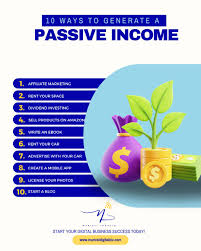
The best free tools for high-yield passive income ideas in 2025 involve leveraging online platforms. Think content creation, digital products, and affiliate marketing. You can start these with little to no upfront cost by using free software and resources.
Focus on building evergreen assets that earn over time.
Understanding High-Yield Passive Income
What exactly is passive income? It’s money you earn regularly. It takes little to no ongoing effort.
Think of a book you wrote years ago. It still sells. That’s passive income.
High-yield means it pays well. It gives you a good return. This return is for the work you put in early on.
It’s not about being rich quick. It’s about smart work now. It leads to money later.
Most passive income starts with an active effort. You build something. You create something.
Then it starts to pay you.
Think about it like planting a garden. You dig, plant, and water. That’s active work.
The plants grow. They give you food. You don’t have to water them every minute.
They just grow. Passive income is like that garden. You put in the work upfront.
Then you enjoy the harvest. The best part is that it keeps giving. Even when you’re not actively tending it.
Many people get passive income wrong. They think it means doing nothing. That’s not true.
It means doing the work once. Or doing work that doesn’t scale directly with your time. For example, if you trade stocks, that’s active.
You’re always watching the market. If you create a course that people buy over and over, that’s passive. You made the course.
Now it sells itself.
For 2025, the digital world is your friend. The internet offers so many free tools. These tools help you build passive income streams.
You don’t need a lot of cash. You need clever ideas. And a willingness to learn.
We will dive into these tools. They can help you earn more. Without always being busy.
The Power of Free Tools for Passive Income
Why free tools? Because starting a new income stream can be scary. You don’t want to lose money.
Free tools remove that risk. They let you test ideas. You can learn new skills.
You can build your first assets. All without spending a dime. This is crucial for high-yield ideas.
Because you want to maximize your return. Not spend it all on setup.
Imagine wanting to write an ebook. You need a place to write it. And a way to sell it.
Instead of buying fancy software, you can use free options. Google Docs is great for writing. Gumroad or Payhip offer free ways to sell your ebook.
They take a small cut. But you pay nothing upfront. This lets your idea make money first.
Then you can reinvest.
Free tools also level the playing field. Big companies might have big budgets. But you have agility.
You can use free tools to create amazing things. And reach your audience. You can connect with people.
You can offer value. This is what really matters. Not how much money you spent.
The internet is full of these free resources. They range from design tools to writing platforms. From marketing aids to community builders.
We will highlight the best ones. They are key to making passive income ideas work. Especially for those starting out.
Or those wanting to keep costs low.
Passive Income Idea Snapshot: Digital Products
What it is: Creating items that can be sold digitally. Think ebooks, printables, templates, or stock photos.
Why it’s passive: You create it once. It can be sold an infinite number of times. Delivery is automatic.
Free Tools: Canva (design), Google Docs (writing), Google Drive (storage/delivery), Gumroad/Payhip (selling platforms).
Leveraging Content Creation for Passive Income
Content creation is a huge area. It’s how you attract people. It’s how you build an audience.
And an audience is gold. They are potential customers. Or fans.
Or followers. You can create content in many ways. Blogging, YouTube videos, podcasts, social media posts.
The goal is to create content that lasts. Content that stays relevant. This is often called evergreen content.
A blog post about how to tie a tie. Or a video on basic photo editing. These topics are always in demand.
They don’t go out of date quickly.
How does this become passive? When your content earns you money. This can happen through ads.
Like on YouTube or a blog. It can happen through affiliate marketing. You recommend products.
People buy them. You get a commission. It can happen through selling your own products.
You created content. People trust you. They buy what you offer.
Let’s talk about some free tools for this. First, for writing. Google Docs is amazing.
It’s free. It’s easy to use. You can write articles, ebooks, or scripts.
Your work is saved online. You can access it anywhere. It also lets you share your work easily.
For collaboration or getting feedback.
For visual content, Canva is a lifesaver. It’s a graphic design tool. But it’s made for everyone.
Not just designers. You can create blog post images. Social media graphics.
Even simple videos. Canva has tons of free templates. You can drag and drop elements.
It’s super intuitive. You can make professional-looking designs. Without paying for software.
Or hiring a designer. This is perfect for creating appealing thumbnails for videos. Or eye-catching images for your blog.
For video creation, YouTube is free to use. You can upload videos. You can start earning through ads.
Once you meet their criteria. You can also use your YouTube channel to drive traffic. To your website.
Or your other passive income sources. Your phone can shoot video. And many free editing apps exist.
Like CapCut or InShot for mobile. Or DaVinci Resolve for desktop (though it has a learning curve).
Podcasting is another avenue. You can record audio. Using a free tool like Audacity.
It’s a powerful, open-source audio editor. You can then host your podcast for free on platforms like Anchor.fm (now Spotify for Podcasters). They help distribute your show.
And even offer monetization options. This can lead to ad revenue. Or sponsorships.
Once your audience grows.
The key here is consistency. And quality. Create valuable content.
Keep showing up. Over time, this content builds an asset. An audience that trusts you.
And that can be monetized passively.
Quick Scan: Content Monetization Methods
- Advertising: Earn from ads shown on your content (e.g., YouTube, blogs).
- Affiliate Marketing: Promote others’ products and earn a commission on sales.
- Digital Products: Sell your own ebooks, courses, or templates.
- Sponsorships: Brands pay you to feature their products.
- Memberships/Subscriptions: Offer exclusive content for a recurring fee.
Affiliate Marketing: Your Digital Sales Force
Affiliate marketing is a classic passive income strategy. It’s also one of the easiest to start for free. The idea is simple.
You promote other companies’ products. When someone buys through your unique link, you get paid. It’s like being a salesperson.
But you don’t handle inventory. Or customer service. Or shipping.
You just send people to the sale.
How do you do this for free? You need a platform to share your links. This is where content creation comes in.
A blog post reviewing a product. A YouTube video demonstrating it. A social media post recommending it.
These are all places to put your affiliate links.
There are many affiliate networks. Some popular ones include Amazon Associates. ShareASale.
And ClickBank. Many companies also have their own affiliate programs. You can join these for free.
You just need to apply. Then you get your special links.
The key to high-yield affiliate marketing is choosing the right products. And building trust with your audience. Don’t just promote anything.
Recommend things you genuinely use. Or believe in. Your audience will appreciate your honesty.
And be more likely to buy.
For example, let’s say you love a certain type of running shoe. You write a blog post comparing different models. You include your affiliate links for each shoe.
You talk about the pros and cons. You explain why you prefer one. If someone reads your review and buys the shoe, you earn a commission.
This can happen day or night. While you’re sleeping or on vacation.
The free tools here are your content platforms. And free keyword research tools. Like Google Keyword Planner (requires a Google Ads account, but free to use for research).
Or Ubersuggest (offers some free daily searches). These help you find what people are searching for. So you can create content that answers their questions.
And naturally includes your affiliate links.
Building an email list is also crucial. You can use free email marketing services. Like Mailchimp (free for up to a certain number of subscribers).
Or Sender.net. You collect emails from your audience. Then you can send them newsletters.
With new content. And relevant affiliate offers. This creates a direct line of communication.
And another passive income channel.
It takes time to build an audience. And for affiliate sales to start rolling in. But once they do, it’s a fantastic source of passive income.
You are essentially building a free sales team. For other companies.
Affiliate Marketing: Myth vs. Reality
Myth: You need a huge audience to make money.
Reality: A small, engaged audience that trusts you can be more profitable than a large, passive one. Niche audiences are powerful.
Myth: You have to be pushy with promotions.
Reality: The best affiliates provide genuine value. They recommend products that solve problems for their audience. Authenticity wins.
Myth: It takes too much technical skill.
Reality: Most affiliate programs provide simple links. Content platforms are user-friendly. The main skill is creating helpful content.
Creating and Selling Digital Products for Passive Income
Digital products are a cornerstone of passive income. Why? Because you create them once.
And you can sell them over and over. Without ever running out of stock. The profit margins can be very high.
Especially if your costs are low.
What kind of digital products can you create? The possibilities are vast. Here are some popular ones:
- Ebooks: Share your knowledge. Write guides, fiction, or how-to books.
- Printables: Design planners, calendars, checklists, or worksheets. People buy them to print at home.
- Templates: Create social media templates, resume templates, or website templates.
- Online Courses: Teach a skill through video lessons and resources.
- Stock Photos/Videos: If you have a good camera, sell your photography or videography.
- Digital Art/Designs: Offer graphics, illustrations, or digital patterns.
The free tools for this are invaluable. For designing printables or templates, Canva is perfect. You can create beautiful layouts.
Use free fonts and graphics. Save your designs as PDFs or JPGs. Then you are ready to sell.
For writing ebooks or course materials, Google Docs is your friend. It’s simple. Reliable.
And lets you export your work in various formats like PDF. If you’re creating an online course, you might need a place to host videos. You can upload them to YouTube as unlisted videos.
Then share the links with your course buyers. Or use a free tier of a video hosting service.
Now, how do you sell these? This is where free selling platforms come in. Gumroad and Payhip are excellent choices.
They allow you to set up a shop. Upload your digital products. And sell them directly to customers.
They usually take a small percentage of your sales. But there’s no upfront cost. This is ideal for testing the waters.
You can also use Etsy. While not solely for digital products, it has a huge marketplace for them. Especially for printables, art, and templates.
Setting up an Etsy shop is free. You pay small listing fees and transaction fees. But it gives you access to millions of buyers.
For online courses, platforms like Teachable or Thinkific offer free plans. Or trials. That let you start building and selling courses.
You might have limitations on features or student numbers. But it’s a way to begin. Without investment.
The effort is in the creation. Once the product is made and listed, it can sell passively. Imagine waking up to sales notifications.
For a book you wrote. Or a planner you designed. This is the magic of digital products.
And with free tools, it’s accessible to everyone.
Digital Product Idea Generator
- Niche Focus: What problems can you solve? Who needs help?
- Your Skills: What are you good at? What do you know well?
- Market Demand: Are people already looking for solutions in this area? (Use Google Trends, search forums)
- Format: Ebook, checklist, template, mini-course?
- Free Tool Inspiration: Canva for visuals, Google Docs for writing.
Building a Niche Website or Blog
A niche website or blog is a powerful asset. It’s a place to share your expertise. Or your passion.
It can become a hub for an audience. And a platform for passive income. This strategy takes time.
But it has massive long-term potential.
The free part comes in setting it up initially. While professional websites cost money, you can start with free options. Blogger.com is a completely free platform.
Owned by Google. You get a free subdomain (like yourblogname.blogspot.com). And you can customize themes.
It’s very simple to use.
Another option is using free website builders like Weebly or Strikingly. They offer free plans with limited features. And a branded subdomain.
They are good for testing the waters. To see if you enjoy creating content for a website.
The goal of a niche blog is to attract visitors. Who are interested in a specific topic. For example, vegan baking.
Or urban gardening. Or vintage watch collecting. Once you have visitors, you can monetize in several ways.
The most common passive methods are:
- Display Ads: Once your traffic is high enough, you can apply to ad networks like Google AdSense. They show ads on your site. You earn money based on views or clicks.
- Affiliate Marketing: As we discussed, you can promote relevant products. Within your blog posts.
- Selling Digital Products: Your blog can be the perfect place to promote your own ebooks or templates.
The free tools extend to content creation. Use Google Docs for writing posts. Canva for creating header images and graphics.
And free stock photo sites like Unsplash or Pexels to find images. For keyword research, Google Keyword Planner can help you find topics people search for. So you can create content that gets found.
The passive aspect comes from search engine optimization (SEO). When your blog posts rank well in Google, they attract visitors continuously. Even when you’re not actively promoting them.
This creates an ongoing stream of traffic. And potential income.
Building a successful niche blog takes patience. You need to publish consistently. And create high-quality content.
But the investment is primarily your time. And effort. The platforms and tools can be free.
Making it a truly low-cost path to passive income.
Blog vs. Niche Site: What’s the Difference?
Blog: Often more personal. Focuses on regular updates, opinions, and news. Can be less structured.
Niche Site: Highly focused on a specific topic. Aims to be an authority. Content is often evergreen and designed for search engines.
More structured and business-oriented.
Both can be monetized passively. A niche site often has higher passive income potential due to targeted traffic.
Exploring Print-on-Demand (POD) with Free Design Tools
Print-on-demand (POD) is a fascinating area for passive income. The concept is this: you create designs. You upload them to a POD service.
Like Redbubble, Teespring (now Spring), or Merch by Amazon. These services handle printing. And shipping.
When someone buys a product with your design, you earn a profit. You don’t touch any physical products.
This is passive because you create the design once. And it can be printed on countless items. T-shirts, mugs, posters, phone cases.
And sold repeatedly. The POD service manages all the logistics.
The key to making this work with free tools is your design skills. Or your willingness to learn. Canva is again your best friend here.
You can create simple text-based designs. Or graphic designs using their library of elements. They have templates specifically for t-shirts.
You can create designs that are eye-catching and unique. Even without professional design software.
You need to understand the requirements of the POD platform. They often have specific file formats and resolution needs. Canva can export your designs in formats like PNG.
Which are commonly accepted. Ensure your designs are high resolution.
Other free design tools you could explore include GIMP (a free, open-source image editor similar to Photoshop). Or Krita for digital painting. However, Canva is generally the easiest for beginners.
And for creating commercially viable designs quickly.
Once your designs are uploaded to a POD platform, they are live. And can be purchased. Your earnings come from the markup you set.
Above the base cost of the product and printing. Some platforms, like Merch by Amazon, have more strict approval processes. Others are more open.
The passive income aspect comes from the fact that your designs are available 24/7. People browse these sites for unique items. If your design is appealing, it can sell without your direct involvement.
This is especially true for trending topics or niche humor.
While the profit per item might be small, selling many items can add up. The initial effort is in creating good designs. And understanding what sells.
Once that’s done, you can earn passively from each sale.
POD Product Ideas: Quick Checklist
- Target Audience: Who are you designing for?
- Design Style: Simple, complex, abstract, text-based?
- Product Type: T-shirts, mugs, totes, posters?
- Trends: Are there current memes or topics to capitalize on?
- Uniqueness: How can your design stand out from others?
Utilizing Free Online Courses and Skill-Building
While not directly a passive income stream itself, acquiring new skills for free is critical. It enables you to create the digital products or content we’ve discussed. There are incredible platforms offering free courses.
That can teach you valuable skills. Skills that lead to passive income.
Coursera and edX offer courses from top universities. Many of these courses can be audited for free. You won’t get a certificate.
But you gain the knowledge. You can learn about digital marketing. Web design.
Graphic design. Writing. And much more.
YouTube itself is a massive free learning resource. You can find tutorials on almost anything. How to use Canva.
How to edit videos. How to do keyword research. How to build a website.
The creators are sharing their expertise. For free. This is passive learning at its best.
You consume the knowledge when you want.
Google Digital Garage offers free courses on digital marketing. These are certified. And highly relevant for online businesses.
Learning SEO basics. Or how to use social media for business. Can directly help your passive income efforts.
The idea is to invest your time wisely. Learn a skill. Then use that skill to create something.
Something that can generate income passively. For instance, learning graphic design from free resources. Allows you to create t-shirt designs for POD.
Or graphics for your blog. Or templates for sale.
Learning about SEO. Using free tools like Google Keyword Planner. Helps you understand what people search for.
So you can create content that ranks. And drives traffic. This traffic then fuels your affiliate sales.
Or your digital product sales.
Think of this as building your foundation. The stronger your skills, the more robust your passive income streams can be. And the best part is, the education itself can be completely free.
Allowing you to build high-yield assets without upfront financial risk.
Top Free Learning Platforms
- YouTube: Endless tutorials on almost any topic.
- Coursera/edX: Free auditing of university-level courses.
- Google Digital Garage: Certified courses on digital marketing.
- Khan Academy: Excellent for foundational academic and some practical skills.
- Reddit Communities: Many subreddits offer free advice and learning resources for specific skills.
Maximizing Your Reach with Free Social Media Tools
Social media is a powerful engine for reaching people. And driving traffic to your passive income assets. While it requires active effort to manage, it can be used to promote things passively.
Once you’ve built a following.
The key is consistency and value. Don’t just post links. Share helpful tips.
Engage with your audience. Build a community. This makes your followers more receptive to your recommendations.
Free tools abound for social media management. Buffer and Hootsuite offer free plans. These allow you to schedule posts across multiple platforms.
Like Facebook, Instagram, Twitter, and LinkedIn. Scheduling is key for passive promotion. You can set up a week’s worth of posts.
Then let them go out automatically.
For creating visually appealing social media content, Canva is essential. They have templates for Instagram stories. Facebook posts.
Pinterest pins. And more. This helps you create professional graphics.
Quickly and easily.
Pinterest itself is a visual search engine. Many people use it to find ideas and products. If you create pins that link to your blog posts.
Or your digital products. It can drive significant passive traffic. Especially for niches like home decor, recipes, or DIY.
Reddit can also be a goldmine. Find subreddits related to your niche. Participate in discussions.
Offer value. And when appropriate, share links to your content or products. Be careful not to spam.
Reddit communities are sensitive to self-promotion.
The passive element comes from scheduled posts. And content that continues to attract engagement. A well-performing Pinterest pin.
Or a popular Instagram post. Can continue to drive traffic for weeks or months. Without you doing anything new.
It’s about setting up systems. And leveraging the tools to reach a wider audience. Without needing a massive advertising budget.
Building a community takes time. But it can create a loyal following. Who are more likely to support your passive income ventures.
Social Media Scheduling Tips
- Plan Ahead: Dedicate time each week to schedule content.
- Batch Content Creation: Create multiple graphics or captions at once.
- Use Scheduling Tools: Buffer or Hootsuite free plans save time.
- Analyze Performance: See what content gets the most engagement.
- Engage Authentically: Respond to comments and messages.
The Importance of an Email List
An email list is one of the most valuable assets for passive income. It’s a direct line to your audience. One that you own.
Unlike social media followers, you’re not at the mercy of algorithms. Or platform changes.
Starting an email list for free is possible. Many email marketing services offer free tiers. For a limited number of subscribers.
And a certain number of emails per month. Examples include Mailchimp, MailerLite, and Sender.net.
How does this lead to passive income? Once people are on your list, you can nurture them. Share valuable content.
And periodically, promote your passive income products. Or affiliate offers. Because they’ve opted in, they are generally interested in what you have to say.
To build your list, you need a “lead magnet.” This is a freebie. Offered in exchange for an email address. It could be a short ebook.
A checklist. A template. Or access to a free mini-course.
You can create these using free tools like Canva and Google Docs.
Your website, blog, or social media profiles are where you promote your lead magnet. You place signup forms strategically. For example, at the end of blog posts.
Or in a sidebar. Or through pop-ups. (Use pop-ups sparingly, as they can be annoying).
Once you have subscribers, you can send them newsletters. These can be automated. Or sent manually.
You can create an automated welcome series. That introduces new subscribers to your work. And promotes your products.
This series runs passively. After you set it up.
An email list is powerful for passive income because:
- Direct Sales Channel: You can promote your offers directly.
- Nurturing Relationships: Build trust and loyalty.
- High Conversion Rates: Engaged subscribers are more likely to buy.
- Owned Audience: Not subject to algorithm changes.
This is a long-term strategy. But building an email list is one of the smartest moves you can make. For sustainable passive income.
And the tools to start are free.
Email List Lead Magnet Ideas
- Cheatsheet: A quick reference guide.
- Template: A pre-made document or design.
- Free Mini-Ebook: A short guide on a specific topic.
- Resource List: Curated links to useful tools or articles.
- Discount Code: An exclusive offer for subscribers.
What This Means for Your High-Yield Passive Income Journey
The landscape of passive income is more accessible than ever. Especially in 2025. Thanks to a wealth of free tools.
You don’t need to be a tech whiz. Or have a huge budget. To start building income streams that work for you.
The key takeaways are clear. Focus on creating value. Whether it’s through informative content.
Useful digital products. Or helpful recommendations. Leverage the free tools available.
They are robust. And capable of producing professional results.
Remember that “passive” doesn’t mean “effortless.” It means the effort is front-loaded. You invest your time and energy initially. To build an asset.
That can then earn for you over time. With minimal ongoing work.
Think of it as planting seeds. You prepare the soil. You plant the seeds.
You water them. Then, over time, you harvest the fruits. The tools we’ve discussed are your gardening equipment.
Your seeds are your ideas. And your consistent effort is the watering and tending.
Start small. Pick one idea. One tool.
And begin. Learn as you go. The online world is constantly evolving.
So embrace learning. And adapt. Your journey to high-yield passive income is within reach.
Armed with the right knowledge and the free tools at your disposal.
When is it Normal to See Passive Income?
It’s normal for passive income to take time to build. Especially with free tools. Don’t expect overnight success.
Building an audience. Or getting your digital products noticed. Takes consistent effort.
For the first few months. You might see very little. Or no passive income at all.
This is normal. It’s the building phase. Many people give up too soon.
For content-based passive income. Like blogs or YouTube channels. It can take 6 months to a year.
To see significant traffic. And then monetization starts. Affiliate marketing sales might trickle in at first.
Then grow as your content ranks better. Or your email list expands.
Digital products can sometimes generate sales faster. If you have a good product. And promote it well.
But even then, it’s not instant. You need to drive traffic to your sales pages. This often relies on content marketing or social media.
Be patient. And consistent. Track your progress.
Celebrate small wins. It’s a marathon, not a sprint. The more consistent you are in the early stages.
The sooner you’ll see real passive income. And the higher yield it will eventually provide.
When Should You Worry About Your Passive Income Efforts?
It’s good to be realistic. But don’t get discouraged easily. You should worry if:
- You’re not seeing any progress after 1-2 years of consistent effort.
This might mean your strategy needs a major overhaul.
- Your traffic is declining rapidly and you don’t know why.
- You’re not learning or adapting. The online world changes. If you’re stuck in old ways, it’s a problem.
- You’re not getting any engagement. No comments, shares, or replies. It might mean your content isn’t resonating.
However, for most people starting with free tools, the biggest “worry” is often burnout. Because the initial effort can be high. Make sure you’re enjoying the process.
And celebrating small wins. The passive income will come. But it’s about the long game.
Quick Checks for Passive Income Viability
Before you invest too much time in an idea, ask yourself:
- Is there demand? Are people searching for this topic or solution? (Use Google Trends or keyword tools).
- Can I create value? Can I offer something unique or better than what’s out there?
- Is it scalable? Can this idea grow to produce significant income over time?
- Do I enjoy it? You’ll need to stick with it, so passion helps.
- Are the tools I need free or low-cost?
If you can answer yes to these, you’re on a good path.
Frequently Asked Questions About Free Passive Income Tools
What is the absolute easiest passive income to start for free?
Affiliate marketing through social media or a free blog is often considered the easiest. You can start by recommending products you already use and love. Focus on providing genuine recommendations, not just spamming links.
Can I really make a living with free passive income tools?
It’s possible to build a substantial income, but it takes time, consistency, and smart strategy. Many people earn supplemental income. Some eventually earn a full-time living.
It depends on your niche, effort, and market demand. Free tools are the launchpad; your dedication is the fuel.
How long does it typically take for passive income to start showing results?
It varies greatly. For affiliate marketing or a niche blog, it can take 6 months to over a year to see significant results. Digital products or POD might see sales sooner, but consistent promotion is still needed.
Patience and persistence are key.
What are the biggest mistakes people make with passive income?
Common mistakes include expecting instant results, choosing a niche with no demand, not providing enough value, giving up too soon, and not learning from their mistakes. Also, not building an email list is a big missed opportunity.
Are there any hidden costs associated with “free” tools?
Most truly free tools have limitations. You might need to upgrade for more features, storage, or to remove branding. For example, free website builders may have a branded subdomain.
Or free email marketing might limit subscribers. These are costs to consider as you grow, but you can start for free.
How do I choose the right niche for passive income?
A good niche combines your interests, your knowledge or skills, and market demand. Use tools like Google Trends to see what people are searching for. Look for problems you can solve for a specific group of people.
Passion will help you stick with it.
Conclusion
The world of passive income is vast and full of opportunity. Especially with the free tools available today. You can start building income streams.
That work for you. Without needing a lot of money. Focus on providing value.
Be consistent. And keep learning. Your journey to financial freedom can begin today.