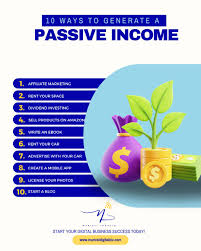
High-yield passive income ideas for beginners involve creating assets or systems that generate money with minimal ongoing effort after an initial investment of time or money. This often includes digital products, affiliate marketing, or dividend-paying investments, focusing on scalable and low-maintenance returns.
What Is High-Yield Passive Income?
Passive income means money you earn regularly. It doesn’t require you to actively work for it every single day. Think of it like planting a tree. You plant it once, water it, and then it grows and gives you fruit for years. High-yield means it brings in a good amount of money. It’s income that gives you a strong return. For beginners, the goal is to find ideas that don’t need tons of upfront cash or super technical skills. We want things that can grow over time. We also want things that don’t keep you tied down. The best passive income streams offer both good returns and a lot of freedom.
Many beginners get confused. They think passive income means doing nothing. That’s not quite right. It usually means you do a lot of the work upfront. Then, the income continues with much less effort. It’s about building something that works for you. It’s like creating a small business that runs itself. This could be a website, a digital course, or even a set of investments. The key is that once it’s set up, it keeps earning. This frees up your time. It also gives you more financial choice. We are looking for opportunities that pay well for the effort you put in. These are the “high-yield” ideas.
The “beginner” part is crucial. It means we avoid ideas that need a huge pile of money to start. We also steer clear of things that require years of specialized training. We want practical steps you can take now. We want to build momentum. The focus will be on smart, achievable strategies. These ideas aim for a good return on your time. They also aim for a good return on any small amount of money you might invest. It’s about making your money and time work smarter, not just harder.
My Own Passive Income Wake-Up Call
I remember sitting at my desk late one Tuesday. It was almost midnight. I was staring at spreadsheets, feeling completely drained. My day job paid the bills, but it felt like a hamster wheel. I was trading hours for dollars, and it was exhausting. That’s when it hit me. I needed a way to earn money that wasn’t tied directly to my time. I wanted something that could keep earning even when I wasn’t actively working. It was a bit of a panic, honestly.
I started researching passive income. Most of what I found seemed either too complicated or required a lot of money. There were talks of real estate rentals or building huge online courses. I felt a little lost. My bank account wasn’t overflowing. And my free time was scarce. I felt like I was missing some secret knowledge. But I kept digging. I looked for simpler ways. Ways a regular person could start. I found that small, consistent steps can add up. It took time and patience. But seeing that first little bit of income from something I built felt amazing. It showed me it was possible.
Beginner’s Passive Income Path
Idea Phase: Brainstorming what you’re good at or enjoy. What problems can you solve?
Creation Phase: Building the product or system. This takes time and effort.
Launch Phase: Getting it out to people. Marketing is key here.
Maintenance Phase: Light upkeep. This is where the “passive” part really kicks in.
Top High-Yield Passive Income Ideas for Beginners
Let’s dive into some of the best ways beginners can start building passive income. These ideas balance potential earnings with accessibility. They are designed to be manageable without huge upfront costs or complex skills. We’ll cover a range of options. This way, you can find something that fits your interests and resources.
1. Create and Sell Digital Products
Digital products are fantastic for passive income. Once you create them, they can be sold over and over. You don’t need to store inventory. Shipping is not a concern. Think about what you know or what skills you have. Can you teach something? Can you design something? Can you create useful templates?
Examples include e-books, online courses, printable planners, digital art, stock photos, or even software presets. You create it once. Then, you can sell it on platforms like Etsy, Gumroad, Teachable, or your own website. The upfront work is significant. You need to create a quality product and market it well. But once it’s out there, it can earn money for you consistently.
For beginners, starting with an e-book or a set of printable templates is often easiest. You likely already have the knowledge. You can use free or low-cost tools to create them. For instance, you can write an e-book using Google Docs. You can design printables using Canva. These tools are very user-friendly. Selling on Etsy is also beginner-friendly. It has a built-in audience looking for unique items.
Digital Product Ideas Checklist
What do you know well? (e.g., cooking, gardening, a specific software)
What skills do you have? (e.g., graphic design, writing, organizing)
What problems can you solve for others? (e.g., helping people save time, learn a new skill, organize their lives)
What kind of format would be best? (e.g., PDF, video, template)
2. Affiliate Marketing
Affiliate marketing is a popular choice for beginners. It involves promoting other companies’ products. You earn a commission for every sale that comes through your unique link. You don’t need to create your own product. You also don’t handle customer service. Your main job is to drive traffic to the products you recommend.
This can be done through a blog, social media, or a YouTube channel. You choose products you genuinely like or use. Then, you share your honest reviews and recommendations. When someone clicks your link and makes a purchase, you get a percentage of the sale. Many big companies have affiliate programs. Amazon Associates is a very common one for beginners. There are also specific affiliate networks like ShareASale or CJ Affiliate.
The “high-yield” aspect comes from choosing products with good commission rates. It also comes from reaching a large enough audience. Building an audience takes time. You need to create valuable content that attracts people. This could be helpful blog posts, engaging videos, or useful social media tips. Consistency is key. The more people you can genuinely help or inform, the more likely they are to trust your recommendations and buy.
For beginners, starting a simple blog about a hobby you love is a great entry point. Write reviews, tutorials, or comparison articles. Naturally weave in your affiliate links. It’s important to always be transparent about these links. Let your audience know you may earn a commission. This builds trust, which is essential for long-term success.
Affiliate Marketing Platforms for Beginners
Amazon Associates: Great for physical products. Easy to join.
ShareASale: Offers a wide range of merchants in different niches.
CJ Affiliate (formerly Commission Junction): Another large network with many popular brands.
Direct Company Programs: Many companies offer their own programs. Check your favorite brands.
3. Dividend-Paying Stocks and ETFs
Investing can be a powerful way to generate passive income. For beginners, dividend-paying stocks and Exchange Traded Funds (ETFs) are often recommended. Dividends are a portion of a company’s profits that are paid out to shareholders. This gives you a regular income stream without selling your shares.
When you buy shares in a company that pays dividends, you become a part-owner. The company then shares a bit of its earnings with you. This is usually paid out quarterly. Some companies even pay monthly. ETFs are baskets of stocks. Dividend ETFs hold many dividend-paying stocks. This diversification reduces risk. It’s a way to own a piece of many companies at once.
The “high-yield” aspect here depends on the dividend rate. Some stocks offer higher yields than others. However, higher yields can sometimes mean higher risk. It’s wise to research companies or ETFs carefully. Look for stable companies with a history of paying and increasing their dividends. You can start investing with relatively small amounts of money through brokerage apps. Many allow you to buy fractional shares. This means you can buy a piece of a share.
It’s important to understand that stock markets can go up and down. The value of your investment can change. However, the dividends themselves are a separate income stream. For true passive income, many people reinvest their dividends. This means the money they receive is used to buy more shares. This grows their investment over time, leading to even more dividends. This is called compounding. It’s a very powerful wealth-building tool.
Getting Started with Dividend Investing
Open a Brokerage Account: Choose a reputable online broker (e.g., Fidelity, Charles Schwab, Robinhood).
Fund Your Account: Transfer money from your bank account.
Research Investments: Look for dividend stocks or dividend ETFs.
Make Your First Purchase: Buy shares or ETF units.
Reinvest Dividends (Optional but Recommended): Set up automatic reinvestment.
4. Create a Niche Blog or Website
Starting a niche blog can be a fantastic long-term passive income strategy. The key word here is “niche.” This means focusing on a very specific topic. Something you are passionate about or knowledgeable in. It could be anything from caring for a specific type of houseplant to reviewing budget travel gear.
How does it become passive? Once your blog has a good amount of content and traffic, you can monetize it. This can be done through several methods. Displaying ads (like Google AdSense) is one way. This earns money based on views and clicks. Affiliate marketing, as mentioned before, is another. You can also sell your own digital products. Or you can partner with brands for sponsored posts.
The upfront work involves creating a website and writing many articles. You need to learn basic SEO (Search Engine Optimization). This helps people find your content on search engines like Google. It takes time to build traffic. But once your content is ranking well, it can attract visitors 24/7. This leads to passive income. The “high-yield” comes from choosing a profitable niche. It also comes from effective monetization strategies.
For beginners, picking a niche that has a good audience but isn’t overly crowded is smart. Think about problems you can solve or questions you can answer. For example, if you love baking gluten-free cookies, you could start a blog sharing recipes and tips. You can then use affiliate links for baking supplies or create a small e-book of your best recipes. The effort is in the creation and promotion. The reward is a long-term asset.
Blog Monetization Methods
Display Advertising: Earn money from ads shown on your site.
Affiliate Marketing: Recommend products and earn commissions.
Digital Products: Sell your own e-books, courses, or printables.
Sponsored Content: Partner with brands for paid posts or reviews.
Memberships/Subscriptions: Offer exclusive content for a fee.
5. Peer-to-Peer (P2P) Lending
Peer-to-peer lending allows you to lend money to individuals or small businesses. This is done through online platforms. Instead of a bank, you are the lender. You earn interest on the money you lend. This can provide a relatively predictable stream of income.
Platforms connect borrowers with investors like you. You can often choose which loans to fund. You can select based on risk level and interest rates. Many platforms allow you to invest small amounts in multiple loans. This spreads out your risk. If one borrower defaults, it won’t wipe out your entire investment.
The “high-yield” potential exists because interest rates on P2P loans are often higher than traditional savings accounts. However, this also comes with increased risk. Borrowers might default on their loans. It’s crucial to understand the risks involved. Research the platform and the loan profiles carefully. Diversification across many small loans is key to managing risk.
For beginners, starting with a smaller amount is wise. Get a feel for how the platform works. Understand the loan performance. Some platforms offer automated investing tools. This can help you set criteria and let the platform build your portfolio for you. This adds a layer of passive management. You’re essentially earning interest on loans you’ve helped fund, with minimal day-to-day involvement.
P2P Lending Risk Factors
Borrower Default: The borrower may not repay the loan.
Platform Risk: The P2P platform itself could face financial trouble.
Economic Downturns: Recessions can increase default rates.
Lack of Liquidity: It can be hard to sell your loans quickly if you need your money back.
6. Create and Sell Stock Photos or Videos
If you have a good eye for photography or videography, this can be a great passive income source. You can sell your photos and videos on stock media websites. These sites are used by businesses, bloggers, and designers to find images for their projects.
Popular platforms include Shutterstock, Adobe Stock, Getty Images, and Pond5. You upload your high-quality content. When someone licenses your work, you earn a royalty. You don’t need to be a professional with expensive gear. Many smartphones can take excellent photos and videos. The key is understanding what kind of images are in demand. Think about concepts, emotions, and everyday objects.
The “high-yield” aspect depends on the volume of your portfolio and the demand for your images. It takes time to build a large collection. But once uploaded, these assets can continue to generate income for years. Think of it as creating a digital asset library that sells itself. You might need to edit your photos or videos to make them look professional.
For beginners, start with subjects that are easy to photograph and have broad appeal. Think about nature, food, home life, or simple abstract patterns. Pay attention to lighting and composition. Also, ensure your images are sharp and well-exposed. Read the submission guidelines for each platform. This will help you understand what they accept and how to prepare your files.
Tips for Stock Media Success
Focus on Quality: High resolution, sharp focus, good lighting.
Research Trends: See what kinds of images are popular.
Keywords are Crucial: Use descriptive and relevant keywords for each image.
Be Patient: Building a portfolio takes time and sales may be slow at first.
Diversify: Upload to multiple platforms to reach more buyers.
Real-World Context for Beginners
When you’re just starting out, the idea of passive income can seem huge. It’s easy to get discouraged. Many people think they need a lot of money to invest. Or they believe they need to be a tech wizard. In reality, the environment where passive income grows is your own life and habits. The most successful beginners are those who integrate these ideas into their daily routine, even in small ways.
Consider your daily commute. Instead of just listening to music, you could be listening to podcasts about investing or digital marketing. That’s free learning. Or maybe you have a hobby you love. Instead of just doing it for fun, think about how you could package that knowledge. Could you write a guide? Could you create a tutorial video? These small shifts in perspective are powerful.
The materials and design of your passive income “product” also matter. If you’re creating a digital product, make it look professional. Even a simple e-book should have a nice cover. Clear formatting makes it easy to read. If you’re investing, use a user-friendly app. If you’re starting a blog, a clean design helps. These details build trust with your audience or customers.
User behavior is perhaps the most important factor. Are you willing to put in the effort upfront? Are you patient enough to see results? Most passive income streams require active work in the beginning. You have to create, promote, and refine. Then, they become more passive. Think about the time you spend on social media. Could some of that time be redirected to building your passive income asset?
What This Means for You
When is building passive income normal for beginners? It’s normal when you approach it with realistic expectations. You won’t get rich overnight. It’s about steady progress. It’s normal to start small. One digital product. A few affiliate links. A small investment. The goal is to learn and grow.
When should you worry? You should worry if you’re investing money you can’t afford to lose. Or if a “passive income” opportunity sounds too good to be true. Promises of huge returns with no effort are usually scams. Always be skeptical of get-rich-quick schemes. Do your homework. Stick to legitimate methods.
Simple checks you can do involve looking at reviews for any platform you consider. Check if there are clear terms and conditions. For investments, understand the risks. For digital products, look at what competitors are offering. Is there a clear demand for what you plan to create? This due diligence is your first line of defense and a sign of smart planning.
Beginner’s Passive Income Health Check
Realistic Goals: Are your expectations grounded?
Upfront Effort: Are you willing to work hard initially?
Risk Assessment: Do you understand the potential downsides?
Legitimacy Check: Does the opportunity seem sound and transparent?
Quick Tips for Starting
To get started with high-yield passive income ideas, focus on learning first. Read books, listen to podcasts, and follow trusted experts. Don’t try to do everything at once. Pick one or two ideas that resonate with you. Dedicate a specific amount of time each week to work on them. Even 30 minutes a day can make a difference over time.
For digital products, start with something simple. A short guide or a set of templates. For affiliate marketing, choose a niche you’re genuinely interested in. This makes creating content more enjoyable. If you’re investing, start with a small amount you can afford to lose. Use apps that allow fractional shares. This makes investing accessible.
Automate where possible. Set up recurring investments. Schedule social media posts. Use tools to manage your digital product sales. Automation is your best friend for making things truly passive. Don’t be afraid to experiment and learn. Not every idea will be a winner. But each attempt is a learning experience.
Actionable Steps to Begin
1. Choose ONE idea to focus on.
2. Set aside specific time each week.
3. Learn the basics of your chosen method.
4. Take the first small action (e.g., write one page, research one stock).
5. Track your progress and celebrate small wins.
Frequently Asked Questions
How soon can I expect to see passive income?
This varies greatly. Some methods, like dividend investing, can provide income quickly if you invest a significant amount. Others, like blogging or creating digital products, can take months or even a year to generate meaningful income. Patience and consistent effort are key.
Do I need a lot of money to start passive income ideas?
Not necessarily. Many ideas, like creating digital products or affiliate marketing, require more of your time and effort than money. Investing does require capital, but you can start with small amounts through fractional shares and gradually increase your investment.
What is the difference between active and passive income?
Active income is money earned by trading your time and labor for pay, like a salary from a job. Passive income is money earned with minimal ongoing effort after an initial investment of time or money, like rental income or royalties.
Can I really make a lot of money with passive income as a beginner?
It’s possible to build substantial income over time, but it’s rare to get rich quickly. “A lot” is relative. Beginners can aim to supplement their income or replace it over several years. Focus on consistent growth and smart strategies rather than immediate massive wealth.
Are there any hidden costs I should be aware of?
Yes. For digital products, there might be software costs or platform fees. For blogging, website hosting and domain names. For investing, brokerage fees (though many are now zero commission). Always check the fee structures of any platform or service you use.
What’s the best passive income idea for someone with no skills?
If you feel you have no specific skills, focus on investing in dividend stocks or ETFs. This requires learning about finance, but not necessarily a creative or technical skill. Alternatively, affiliate marketing can work if you can learn to share products you like authentically. Patience and a willingness to learn are key skills.
Conclusion
Building passive income is a journey, not a destination. For beginners, the most important step is to start. Choose an idea that excites you. Be prepared to put in the work upfront. With patience and smart strategy, you can create income streams that work for you. This can lead to more financial freedom and flexibility. Your future self will thank you for taking these first steps today.